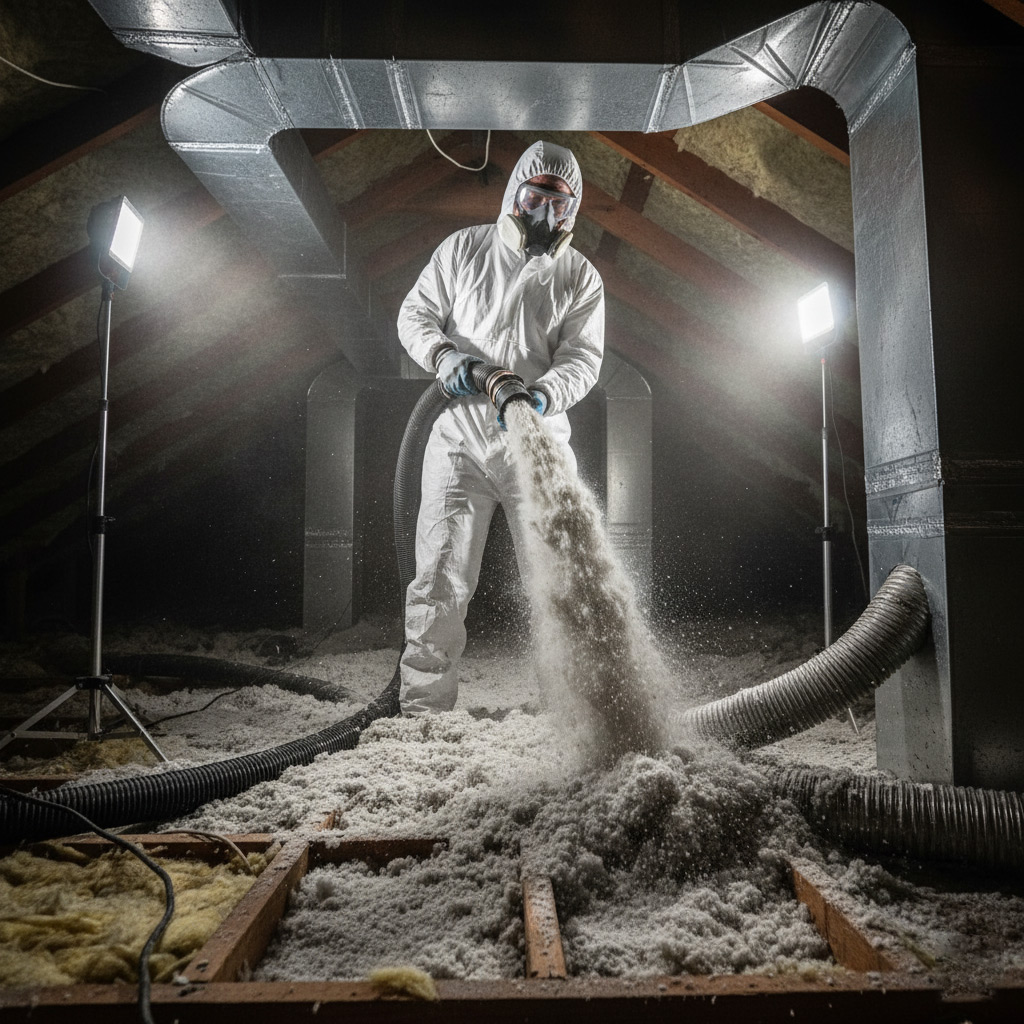
You turn on your HVAC, expecting comfort and peace of mind. But what if the air circulating through your Oklahoma City home isn't just making you sneeze, but slowly chipping away at your health?
Forget just a higher energy bill or a strange rattle. We’re talking about insidious problems – invisible threats like carbon monoxide leaks, airborne mold, or a system teetering on a catastrophic breakdown – that can compromise your family's safety and well-being.
Before you dismiss it as just another repair, it's crucial to understand the very real risks that an uninspected, failing HVAC unit can present. You deserve to know if your home’s breathing system is truly safe, or if it’s hiding a dangerous secret.
Let's dive into the critical warning signs and simple steps you can take to ensure your Oklahoma City home isn't harboring a silent killer.
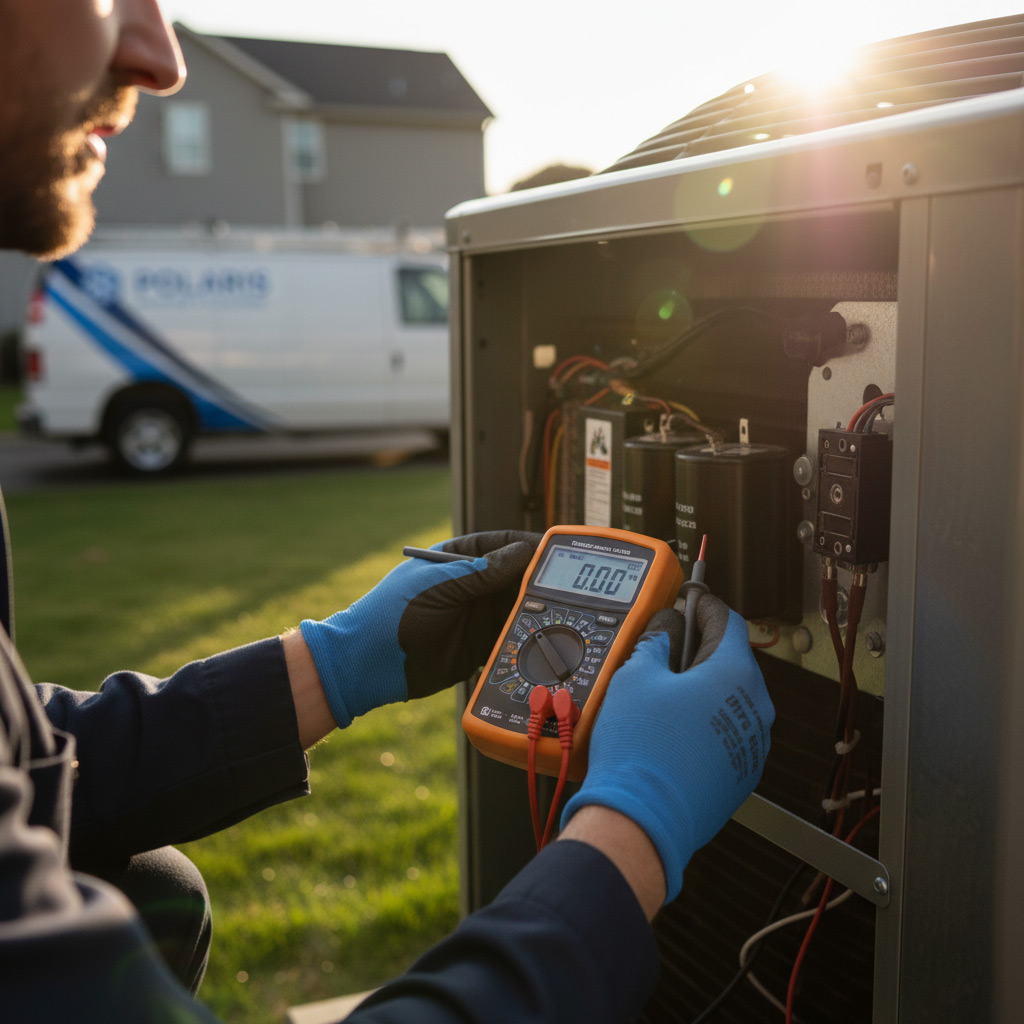
Unmasking the Invisible Threats: More Than Just a Bad Smell
Most Oklahoma City homeowners associate HVAC problems with obvious clues: a loud banging, no cool air on a sweltering summer day, or an inexplicable jump in their utility bill. But what if the real dangers are far more sinister and, critically, silent?
We’re talking about unseen contaminants and hidden mechanical failures that don't announce themselves with a dramatic breakdown. These problems don't just affect comfort; they directly threaten the very air you breathe and the structural integrity of your home.
The Hidden Dangers Lurking in Your Ducts
Your HVAC system is the lungs of your home. When it's compromised, it can circulate serious health risks without a single outward sign you'd typically notice.
- Carbon Monoxide (CO) Leaks: This odorless, colorless gas is a true "silent killer." A cracked heat exchanger in your furnace can release deadly CO into your living space, leading to severe illness or even fatality before you even suspect a problem.
- Mold and Allergen Spores: Damp conditions within your ducts or cooling coil create ideal breeding grounds for mold. These microscopic spores then get blown throughout your home, triggering allergies, asthma attacks, and other respiratory issues for everyone inside.
- Combustion Byproducts: Beyond CO, other exhaust gases from a faulty furnace or water heater can backdraft into your home, introducing harmful pollutants that reduce indoor air quality and pose long-term health risks.
Ignoring these invisible threats isn't just risky; it's a gamble with your family's health. You need to know what lurks beyond the surface, because a seemingly functional system can still be a dangerous one.
Beyond the Symptoms: Critical Warning Signs Your HVAC is Compromised
Your HVAC system often communicates its distress in subtle, yet critical, ways. It's not always about a complete breakdown or an obvious lack of cooling. Unusual odors are perhaps the most ignored warnings, demanding immediate attention.
Think beyond just a musty scent. Have you noticed a burning smell, a distinct metallic odor, or, most critically, a rotten egg scent? The latter could signal a dangerous gas leak within your system or home. These aren't just unpleasant; they are urgent alarms.
Subtle Health Alerts and Visual Cues
Your family's health can also act as an unexpected barometer for your HVAC's condition. Are you experiencing persistent headaches, unexplained fatigue, or worsening allergies primarily when you're indoors? These symptoms might not be seasonal; they could indicate poor indoor air quality, possibly from mold, dust mites, or other circulating contaminants.
Don't overlook the obvious, yet often dismissed, visual indicators. Keep an eye out for:
- Excessive dust buildup around your supply and return vents.
- Signs of rust or corrosion on your outdoor unit or furnace.
- Any evidence of water leaks or pooling near your HVAC equipment.
These seemingly minor issues often point to significant internal problems that can compromise efficiency and safety.
Performance Irregularities and the Silent Killer
Beyond the sensory and visual, pay attention to how your system actually performs. Are certain rooms consistently too hot or too cold, despite the thermostat setting? Does your unit cycle on and off more frequently than usual, or run constantly without achieving the desired temperature? These inefficiencies are not just costing you money; they signal a strained system.
For homes with a gas furnace, there's one critical inspection you can perform: observe the pilot light. It should always burn with a strong, clear blue flame. If you see a flickering yellow or orange flame, this is a severe warning sign. It indicates incomplete combustion, which can lead to the silent, odorless release of carbon monoxide – a truly deadly threat to everyone in your Oklahoma City home. Never ignore these signals; they are your system’s final pleas for help.
The HVAC Detective: How Professional Inspections Uncover Hidden Dangers
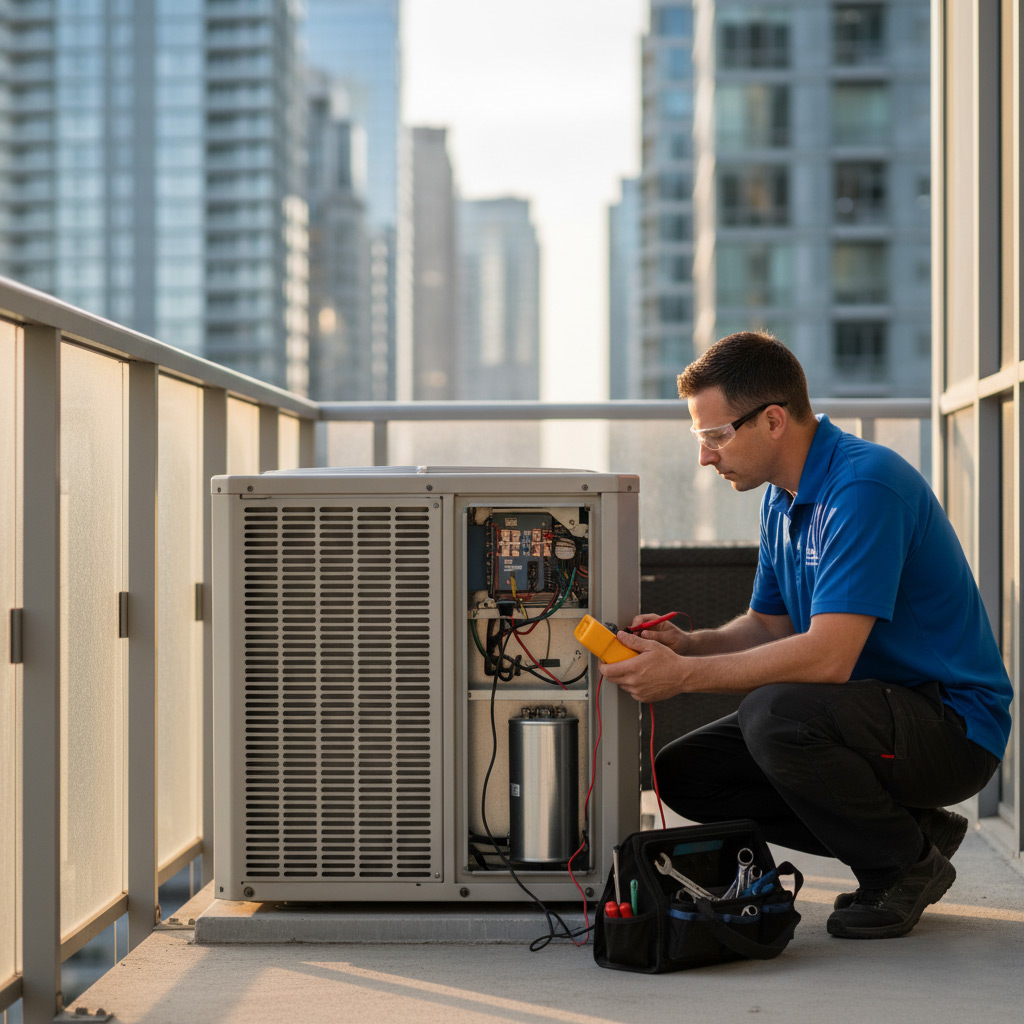
A professional HVAC inspection goes far beyond what any homeowner can see or hear. Think of your technician as a dedicated detective, equipped to uncover the silent, insidious problems lurking within your system. They're not just checking for a strange noise; they're actively searching for the invisible threats that compromise your safety, like hairline cracks in a heat exchanger or subtle electrical faults.
Our experts deploy specialized diagnostic tools that are crucial for detecting dangers you'd never find on your own. This means using carbon monoxide detectors to test for deadly leaks, airflow meters to ensure proper ventilation, and even thermal cameras to spot hidden issues like failing electrical components or refrigerant leaks. They meticulously examine every connection, every duct, and every component for wear, damage, or potential hazards.
This thorough, systematic approach is what differentiates a casual glance from a life-saving inspection. It’s about more than just comfort; it’s about identifying potential fire hazards, preventing mold proliferation, and ensuring your family isn't breathing in harmful pollutants. A professional eye catches the precursors to breakdown, turning a potential disaster into a routine fix. You get definitive answers about your system’s true health.
Key Tests for Peace of Mind: What a Thorough HVAC Safety Check Entails
When an expert HVAC technician steps into your Oklahoma City home for a safety check, they aren't just giving things a quick once-over. They’re armed with specialized tools designed to detect dangers you can’t see, smell, or even guess are present. Top of the list? Carbon monoxide (CO) detection, a truly insidious killer that can seep from faulty combustion in your furnace without a sound. Your family's well-being depends on this vital check, verifying no silent threat is building up in your living spaces.
But the inspection goes much deeper than just CO. Technicians also use advanced leak detectors to pinpoint any gas leaks in your heating system—an obvious fire and explosion hazard that demands immediate attention. They then meticulously review all electrical components, searching for frayed wiring, loose connections, or failing capacitors that could easily spark an electrical fire. This isn't DIY territory; these are precision evaluations requiring trained eyes and calibrated equipment to safeguard your home and everyone inside.
A comprehensive safety check also covers crucial system elements like:
- Checking refrigerant levels for proper system performance and environmental safety.
- Inspecting ductwork for costly leaks or blockages that restrict airflow and compromise air quality.
- Assessing air filters and blower components to prevent airborne contaminants like mold and excessive dust.
- Testing all safety switches and controls to ensure every part of your HVAC system is operating exactly as it should, providing reliable and safe comfort.
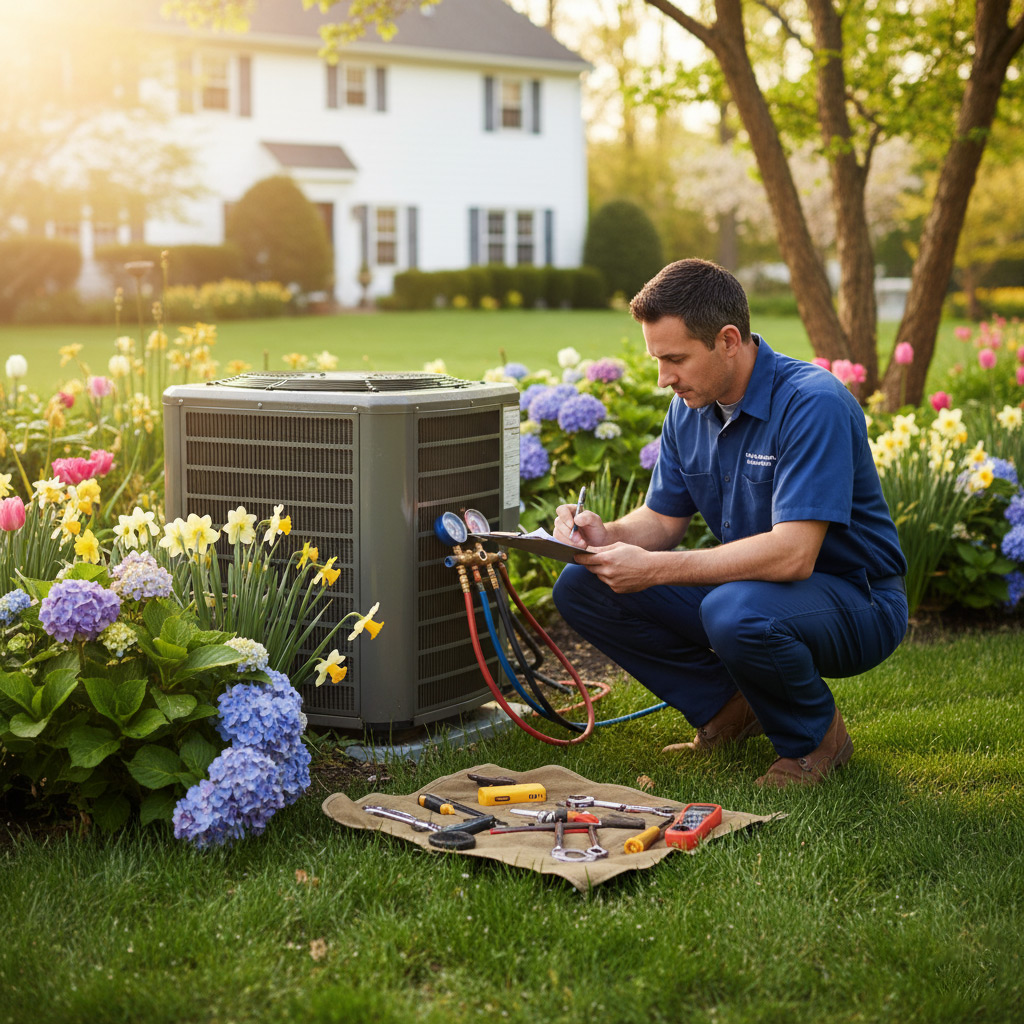
From Reactive Repairs to Proactive Protection: The Power of Preventative Maintenance
Waiting for your HVAC system to *break down* before you call for help is like waiting for a flat tire on the highway to realize you need new ones. It’s costly, inconvenient, and often too late to prevent serious damage – not just to your wallet, but potentially your health.
Reactive repairs mean you're responding to a problem already in motion, often a symptom of something much deeper and more dangerous, like a cracked heat exchanger quietly leaking carbon monoxide. This is when the "silent killer" can truly strike, unseen and unaddressed until it's an emergency.
The Smart Shift: Proactive HVAC Care
Preventative maintenance flips the script. Instead of reacting to disasters, you’re actively *preventing* them. This means scheduled inspections where trained technicians catch minor issues before they spiral into major failures. It ensures your system is running clean, efficient, and most importantly, *safe*.
Think of it as a regular health check-up for your home's lungs. Here’s what it delivers:
- Early Detection: Spotting hairline cracks, loose connections, or mold growth before they become critical threats.
- Optimal Performance: Keeping your system clean means better air quality and lower energy bills.
- Extended Lifespan: A well-maintained unit simply lasts longer, delaying expensive replacements.
- Peace of Mind: Knowing your family isn't breathing in hidden dangers or at risk of an unexpected, costly breakdown.
This isn't just about avoiding a repair bill; it's about investing in your family’s safety and comfort, ensuring the air you breathe in your Oklahoma City home is clean and truly safe.
Oklahoma City Saves the Day: A Local Family's Near Miss Averted by HVAC Inspection
Consider the Andersons, a vibrant Oklahoma City family living in a charming historic home. They'd recently noticed a persistent stuffy feeling indoors, even a faint, unusual odor, but dismissed it as "just an old house thing." It wasn't until their youngest started experiencing unexplained respiratory issues that they decided to call for a comprehensive HVAC safety inspection.
Our expert technician arrived and quickly got to work. During a meticulous check of their aging furnace, he discovered a severely corroded heat exchanger – a component critical for safe operation. This corrosion was allowing carbon monoxide, a colorless, odorless, and highly toxic gas, to silently seep into their living spaces. The family had been breathing dangerous levels of CO without ever knowing it.
The swift action of the inspection averted a potential tragedy. The system was immediately red-tagged, and a new, safe unit was installed, complete with integrated carbon monoxide detectors. The Andersons often share how that single inspection wasn't just a service call; it was a life-saving intervention that gave them back their peace of mind and, more importantly, their family's health. Don't let your home become a silent hazard.
Final Words: Reclaiming Your Home's Health and Safety.
Your home should be your sanctuary, not a source of hidden threats. We've peeled back the curtain on why your HVAC system, often taken for granted, demands serious attention. Ignoring those subtle signs or delaying a check-up isn't just a financial risk; it's a gamble with your family's health and safety.
Think about it: true peace of mind comes from knowing the air you breathe is clean and safe, free from carbon monoxide or insidious mold spores. This isn't about fear; it's about empowering you with the knowledge to protect what matters most, ensuring your home remains the healthy haven it should be.
Don't wait for a crisis to strike. Take control. A professional HVAC testing and inspection is your first line of defense, a simple, proactive step that offers profound security. It's time to stop wondering and start living with the assurance that your Oklahoma City home is genuinely safe, healthy, and comfortable for everyone under its roof.
People Also Ask
What are the common 'silent killers' an HVAC system might harbor?
Your HVAC system can unfortunately circulate invisible threats like carbon monoxide (CO), dangerous mold spores, and harmful volatile organic compounds (VOCs) throughout your home. These can lead to serious health issues, often without immediate, noticeable symptoms, making them particularly insidious.How often should I have my HVAC system inspected for safety in Oklahoma City?
It's highly recommended to have your HVAC system professionally inspected for safety at least once a year, ideally before peak heating or cooling seasons. This proactive check helps identify and mitigate potential hazards like leaks or poor air quality before they become critical.What are the warning signs of a dangerous HVAC system?
Subtle signs like persistent odors (musty, metallic, or exhaust-like), unusual noises, noticeable drops in indoor air quality, or unexplained health issues among occupants can indicate a dangerous system. Don't ignore these indicators, as they might signal carbon monoxide leaks, mold growth, or other severe problems.Can regular HVAC maintenance prevent these hidden dangers?
Absolutely. Consistent preventative maintenance is crucial for preventing hidden dangers by ensuring proper ventilation, inspecting for leaks, and cleaning components that could harbor mold or restrict airflow. This proactive approach significantly reduces the risk of hazardous conditions developing and keeps your system running safely and efficiently.What specific tests are included in a comprehensive HVAC safety inspection?
A thorough HVAC safety inspection includes carbon monoxide leak detection, refrigerant leak checks, electrical system integrity tests, and mold/air quality assessments. Technicians also evaluate gas connections, furnace heat exchangers, and overall system performance to ensure every component operates safely and efficiently.
Oklahoma City HVAC specializes in heating and cooling services for the OKC metro area. With extensive experience, they are committed to ensuring comfortable indoor environments for local residents. Their team is knowledgeable about Oklahoma's climate, delivering reliable solutions tailored to the region.
Need HVAC?
Delivering prompt and effective outcomes for clients in Oklahoma City and nearby areas (73102, 73112, 73120, 73160, 73072).
Request Quote