It’s 6 AM, outside is freezing, and your OKC home feels like a walk-in freezer. You hit the thermostat, hear… nothing. That sinking feeling in your stomach? We know it well. A dead gas furnace isn't just uncomfortable; it’s an emergency.
Before you panic, before you imagine a hefty repair bill, and definitely before you call a technician in a frenzy, there’s something you absolutely need to check. Often, the solution to a completely unresponsive furnace is surprisingly simple, taking just minutes to diagnose and fix.
Ready to potentially save yourself a service call and get that heat roaring back? Let's dive into the most common, easily overlooked culprit behind a dead gas furnace and how you can troubleshoot it yourself right now.
The #1 Culprit: Your Furnace's Emergency Switch (And How to Check It)
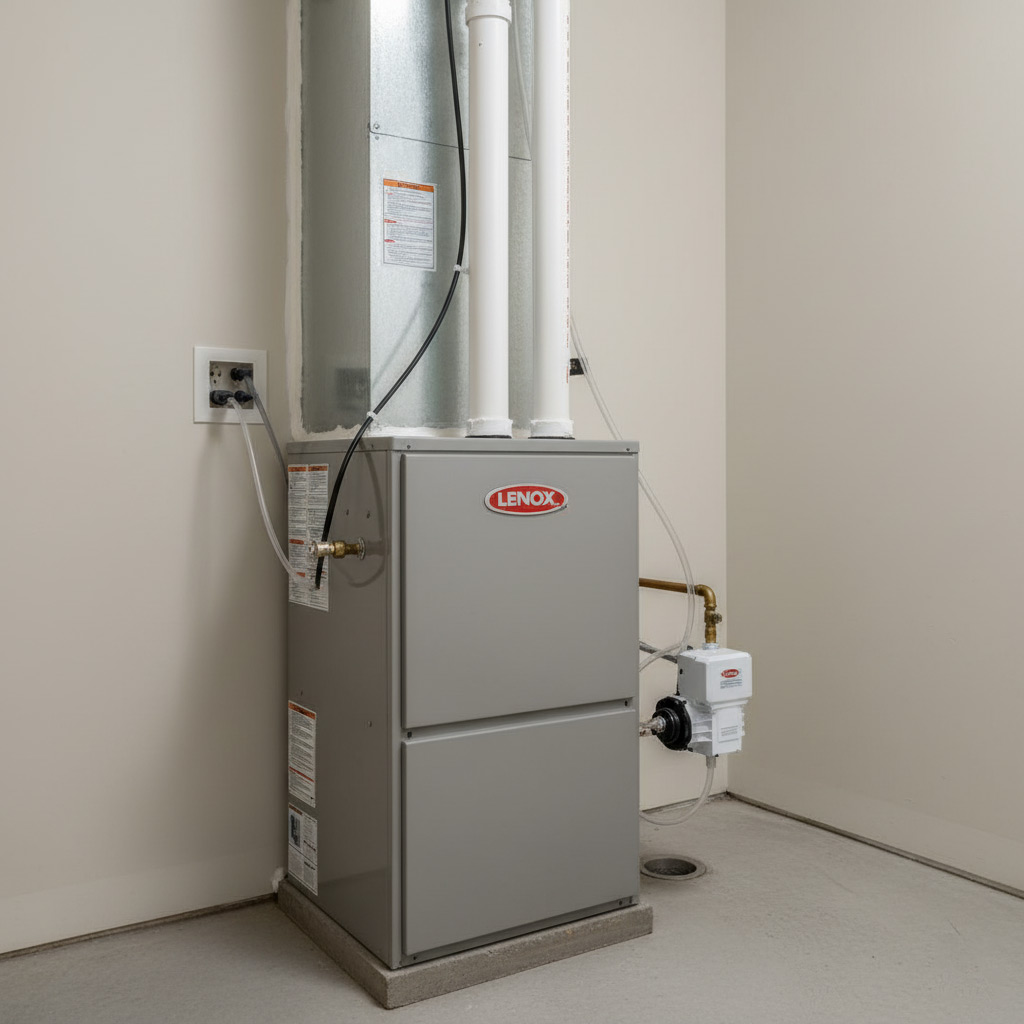
Before you dive deep into complex diagnostics, let's hit the reset button on your expectations. More often than not, a "dead" gas furnace isn't actually broken. It's just playing peek-a-boo with its primary safety feature: the emergency shut-off switch. This little switch is designed to cut power instantly, usually for maintenance or in a true emergency. But sometimes, it gets flipped by accident.
Where do you find this elusive heat-saver? This switch looks exactly like a standard light switch, and it's almost always located either right on the furnace itself or, more commonly, mounted on a wall near the furnace. Think basement wall, utility closet entrance, or attic access point. It's often red, but not always. Look for a switch that seems to control nothing else – that's usually your guy.
Found it? Good. Now, take a look at its position. Is it in the "OFF" position? Don't be surprised if it is. Maybe a kid bumped it, or you accidentally flicked it after a power outage, or a previous service technician left it off. Whatever the reason, if it's off, here's your move: Flip that switch firmly to the "ON" position. Give your furnace 5-10 minutes. Listen. Does it hum? Do you hear the igniter click? Many times, that's all it takes to bring your OKC home back to life.
Beyond the Switch: Your Electrical Panel and Other Power Issues
So, you checked the emergency kill switch, flipped it, and still nothing? Alright, don't sweat it. Your furnace is a heavy-duty piece of equipment, and it pulls serious power. Sometimes, its dedicated circuit breaker simply decides it's time for an unexpected nap.
Your next move: head straight to your home's main electrical panel. Take a good look for the breaker specifically labeled for your furnace. It might say "Furnace," "HVAC," or just have a higher amp rating. If you see a breaker that's halfway between "on" and "off," or completely switched to "off," that's your target.
To reset it, push the breaker firmly to the "off" position first, then push it back to the "on" position. Give it a few seconds and listen for that furnace hum. If the breaker trips again immediately after you reset it, that’s a clear sign of an electrical short or a bigger problem. At that point, stop troubleshooting and pick up the phone; it's time for a qualified electrician or an OKC furnace repair expert to safely diagnose the underlying issue.
Thermostat Troubles: When Your Control Center Goes Rogue
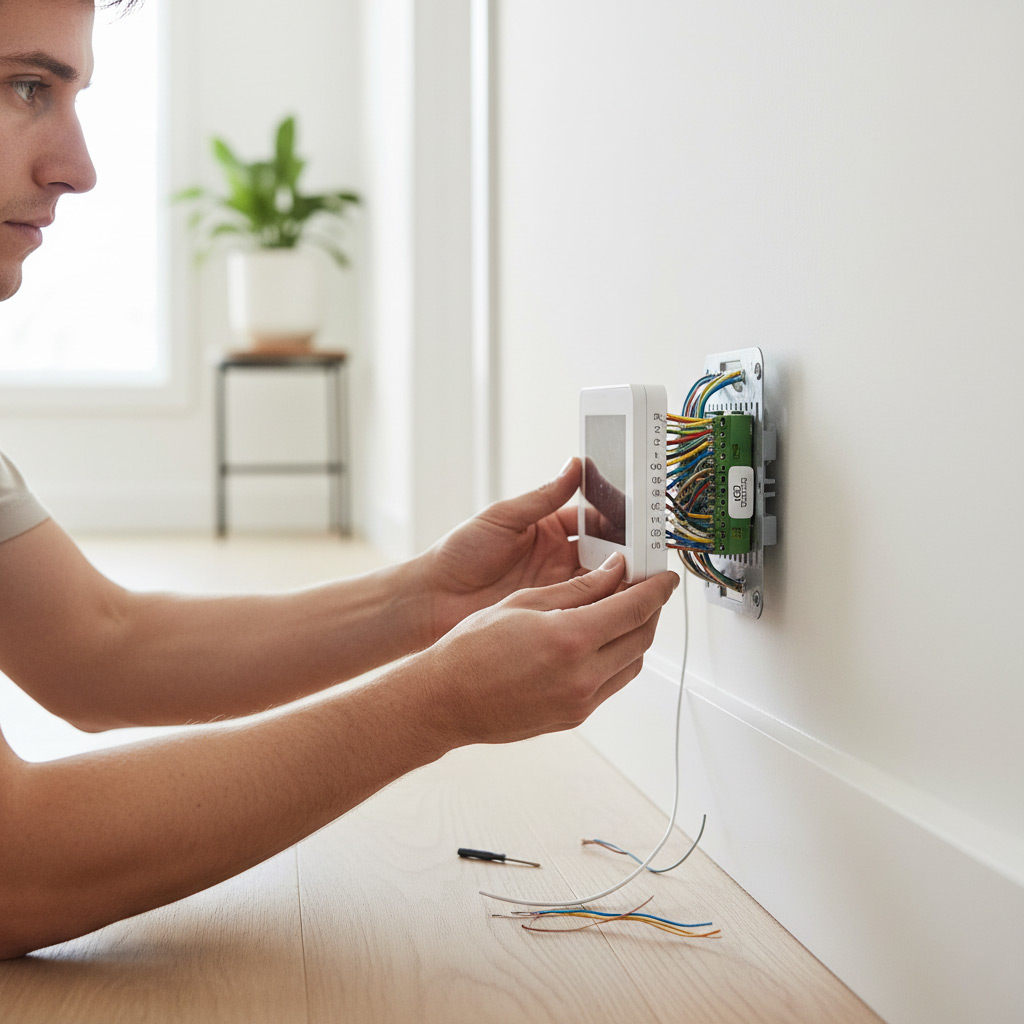
So, the emergency switch is good, and you've got power flowing. Now, let’s talk about the brain of your heating system: the thermostat. Often, a "dead" furnace isn't dead at all; it's just not getting the right instructions from its boss.
First, check the batteries. This might sound almost too simple, but dead or low batteries are an incredibly common reason your thermostat goes dark or fails to communicate with your furnace. Many digital thermostats require fresh AA or AAA batteries to operate correctly, even if they're also wired into your home's electrical system. A quick swap could be all you need.
Next, confirm your thermostat's settings. Is it set to "Heat" mode? This might sound obvious, but accidental toggles happen. Also, make sure the temperature is set above your current room temperature. If it's set below, your furnace simply won't kick on. Lastly, ensure the fan setting is on "Auto," not "On."
If fresh batteries and correct settings don't bring your furnace back to life, you might have a more complex thermostat issue. This could involve anything from loose wiring behind the unit to a malfunctioning internal component. While toggling modes or resetting the device can sometimes help, persistent issues here often signal it's time for a professional diagnosis. Don't mess with wiring if you're not sure!
The Pilot Light (or Ignition System): Why No Flame Means No Heat
For many older furnaces throughout OKC, the *pilot light* is the silent hero, a small, constant flame ready to ignite the main burners. If your furnace is dead quiet and you get no heat, a vanished pilot light is a primary culprit, often extinguished by a draft or a faulty thermocouple. You can usually locate this assembly near the main burners and, with care, attempt to relight it by following the precise instructions printed on your furnace itself.
Most modern OKC furnaces, however, operate with an advanced electronic ignition system, ditching the constant flame for efficiency and safety. These typically involve either a hot surface igniter (HSI) that glows intensely red, or a spark igniter that creates a rapid clicking sound before ignition. If your system cycles but produces no flame, or you don't hear that tell-tale "click-click-click" from a spark igniter, this crucial component is likely failing.
A missing flame, whether from a pilot or an electronic system, triggers a vital safety lockout: no ignition means no gas flow to the burners. This prevents dangerous gas accumulation in your home. While a simple pilot relight can be a quick win, persistent ignition problems are complex and go beyond a 5-minute fix. Do not tamper with it if unsure; your safety, and the intricate workings of your gas furnace, demand expert attention from your local OKC furnace pros.
Beyond the Quick Fixes: When to Call the OKC Furnace Pros
It’s great when a simple flick of a switch brings your heat back, right? But sometimes, despite your best efforts checking the emergency switch, breaker, thermostat, and even the pilot light, that gas furnace still sits there, stubbornly silent. This is where you draw the line between a DIY check and calling in the reinforcements. When the issue is more complex than a power hiccup, deeper problems could be at play. Think about things like:- Gas leaks: If you smell rotten eggs, get out and call for help immediately! This isn't a problem you ever mess with yourself.
- Strange noises: Grinding, squealing, or banging sounds often signal mechanical failure within the furnace.
- Persistent cycling: Your furnace turning on and off too frequently without reaching temperature could indicate a serious internal fault.
- No hot air, even when running: This points to issues with burners, heat exchangers, or airflow that demand expert attention.
OKC Home Comfort Restored: A Case Study in Quick Furnace Revival
Just last winter, the Johnsons over in Edmond experienced the dreaded early morning chill. Their furnace, a dependable workhorse for years, suddenly went silent. No fan, no ignition, just a cold, silent box.
Mr. Johnson remembered our advice about checking the emergency shut-off switch. This little red switch, often near the furnace itself, can be mistaken for a light switch. Sure enough, one of the kids, playing hide-and-seek in the utility closet, had accidentally flicked it off.
A quick flip back to the "ON" position and voila! The furnace hummed back to life, hot air rushing through the vents within minutes. A potential emergency call turned into a five-second fix, saving them time, money, and a whole lot of stress.
Final Words: Staying Warm & Safe in Your OKC Home
You’ve just armed yourself with some crucial knowledge. Knowing these common furnace issues and how to check them can be a real money-saver and a stress-reliever. Sometimes, a dead furnace just needs a quick reset, not an expensive service call. That feeling of bringing your heat back to life in minutes is incredibly satisfying.
However, remember that gas furnaces are powerful machines with gas lines and electrical components. While these initial checks are safe and simple, digging deeper into internal wiring or gas valves can be dangerous. Your safety and the safety of your family are always the top priority. If you smell gas, leave immediately and call your gas provider.
If those quick fixes don't get your OKC home warm again, or if you suspect a more serious problem, it’s time to call in the experts. Don't risk costly mistakes or, worse, safety hazards by tackling complex repairs yourself. For reliable, prompt Gas Furnace Repair here in Oklahoma City, trust the professionals to diagnose and fix it right. We’re here to ensure your heat is restored safely and effectively.
People Also Ask
What is the most common reason an OKC gas furnace suddenly stops working?
Often, the furnace's emergency shut-off switch, located near the unit or on a wall, has accidentally been flipped off. This safety feature cuts all power to the furnace, preventing it from operating until it's turned back on.How do I check my furnace's emergency shut-off switch?
Locate the red-plated light switch near your furnace or on the wall leading to it. Ensure it is in the "ON" position; if it's off, simply flip it up. This is a common oversight that can quickly restore power.What if my thermostat is blank or not responding?
A blank thermostat often indicates a power issue, either with its batteries or the furnace's main power supply. Try replacing the thermostat batteries first, and also check your home's circuit breaker for a tripped switch.Why won't my gas furnace's pilot light stay lit?
A pilot light that won't stay lit usually points to a problem with the thermocouple, which is a safety sensor that detects the flame. It might be dirty, bent, or faulty, preventing the gas valve from staying open.When is it time to call an OKC furnace repair professional instead of trying DIY fixes?
If you've checked the emergency switch, circuit breaker, thermostat, and pilot light without success, it's best to call a professional. Complex issues like faulty igniters, gas valve problems, or major electrical failures require expert diagnosis and repair from an HVAC technician.
Oklahoma City HVAC brings extensive experience and specialized expertise to residential and commercial clients across Oklahoma City. They are dedicated to providing reliable comfort solutions tailored to the unique needs of the local community.
Need HVAC?
Delivering prompt and effective outcomes for clients in Oklahoma City and nearby areas (73102, 73112, 73120, 73160, 73072).
Request Quote